Can you bass fish the harbors in chicago: Top 5 Ultimate!
Chicago’s Urban Angling Secret
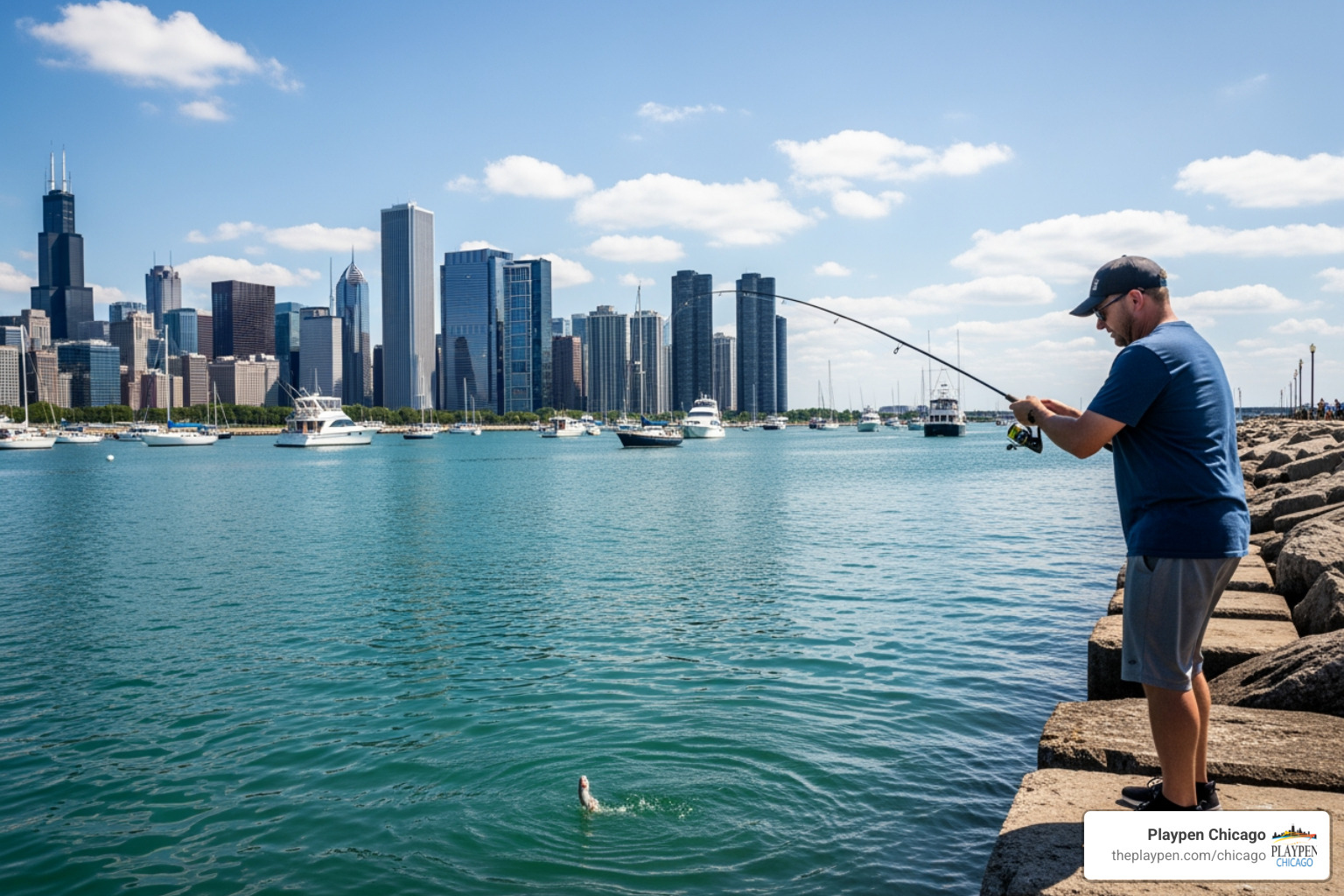
Can you bass fish the harbors in chicago? Yes, you absolutely can. Chicago’s harbor system offers excellent bass fishing opportunities right in the heart of the city, with both smallmouth and largemouth bass thriving in these urban waters.
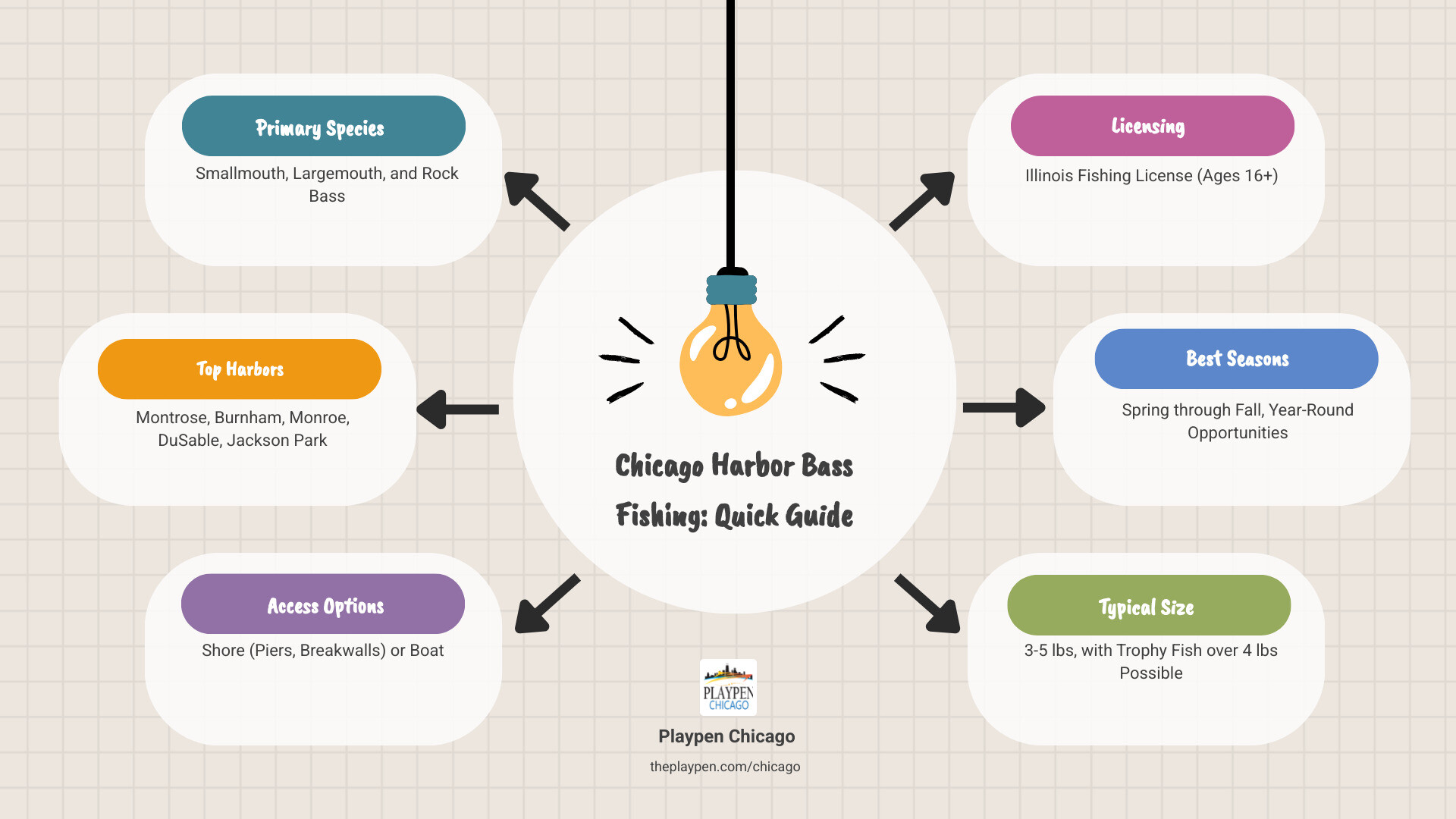
Quick Answer:
- Species Available: Smallmouth bass, largemouth bass, and rock bass
- Best Harbors: Montrose, Burnham, Monroe, DuSable, and Jackson Park
- Access: Fish from shore (piers, breakwalls) or by boat
- License Required: Illinois Fishing License (ages 16+)
- Best Season: Spring through fall, with year-round opportunities
- Typical Size: 3-5 pounds, with trophy fish over 4 pounds possible
Nothing tops the experience of holding a bass with the Loop skyline as your backdrop. Chicago’s harbors and waterfront areas provide world-class urban fishing that rivals many traditional bass destinations. The Chicago River has evolved into a recognized bass fishery, while Lake Michigan’s harbors host thriving populations of smallmouth bass that have steadily improved as the water cleared in recent decades, largely due to the filtering impact of invasive mussels.
You can wander the Chicago Harbor System to your heart’s content, never leaving downtown, on a bass adventure that combines the thrill of the catch with stunning city views. From the northern breakwalls where anglers regularly pull in 4-pound smallmouth to the protected corners of harbors where largemouth lurk around support beams, Chicago offers accessible fishing that few major cities can match.
The beauty of bass fishing in Chicago’s harbors is its accessibility. You don’t need a boat to get started—the shoreline, piers, and harbors provide excellent access points. Look for pockets and corners with less boat activity, as well as support beams and walls along the shore. Whether you’re casting small plastics from the Riverwalk or working a topwater lure along a breakwall, the city’s bass are waiting.
In 2024 alone, researchers tagged 660 largemouth bass in the Chicago River, with anglers reporting catches throughout the harbor system. This thriving urban fishery continues to surprise visitors and locals alike with its quality and consistency.
As Heidi Auvenshine, Partnership and Marketing Director for Playpen Chicago, I’ve witnessed how the question “can you bass fish the harbors in chicago” transforms into unforgettable on-the-water experiences for both seasoned anglers and newcomers to our city’s vibrant waterfront scene. This guide will show you exactly where to go, what to use, and how to make the most of Chicago’s exceptional urban bass fishing.
The Bass of Chicago: What You’ll Catch and When
When we talk about bass fishing in Chicago, we’re not just talking about one type of fish. Our waters are home to a diverse population of bass species, each offering a unique challenge and a thrilling catch. Understanding what you’re targeting and when they’re most active is key to a successful outing.
Target Species: Smallmouth vs. Largemouth Bass
The stars of our urban angling scene are undoubtedly the smallmouth and largemouth bass. Both varieties can be found right in the center of the city, offering us a fantastic dual challenge.
Smallmouth Bass: Smallmouth bass are the prize of Lake Michigan’s harbors, having seen a remarkable resurgence. Their population and size have improved due to clearer water, a result of invasive mussels’ filtering impact, which creates a better environment for these sight feeders. Landing a feisty smallmouth near Buckingham Fountain or the Shedd Aquarium is a special experience. Smallmouth regularly weigh 3 to 5 pounds, with trophies over 4 pounds becoming common. The “Woo’s Wall” area, the northern breakwall of Chicago Harbor, is renowned for its exceptional smallmouth fishing, with reports of dozens of fish over 4 pounds caught in a single morning.
Largemouth Bass: Largemouth bass are abundant in sheltered, structured areas like the Chicago River system and its lagoons. The once-polluted river now boasts a thriving largemouth population, with 660 tagged for research in 2024. While the number of trophy-sized bass has been somewhat stagnant since the 1990s, researchers are studying factors like habitat and water quality. Still, tournament results in the Calumet region show that largemouth approaching 5 pounds are achievable. A notable 19-inch, 4.78-pound largemouth was caught near the Chicago Harbor Lock in 1995.
Rock Bass: While not as large as their smallmouth or largemouth cousins, rock bass are another common catch in Chicago’s harbors and provide plenty of fun, especially for younger anglers. They are often found in similar rocky habitats to smallmouth and are eager to strike at small lures.
The continuous research into our bass populations, including the tagging efforts on the Chicago River, helps us understand and protect this valuable urban fishery. If we catch a tagged fish, reporting it to researchers helps them collect vital data on movement and population health. You can learn more about the scientific research on Chicago River bass populations through this scientific research on Chicago River bass populations.
The Angler’s Calendar: Best Seasons for Harbor Bass
Chicago’s waters offer a year-round fishery, but for targeting bass in the harbors, certain seasons shine brightest.
- Spring (April – May): The Spawn is On! As water temperatures rise, bass move into shallower areas of the harbors to spawn. This is prime time for aggressive strikes, especially from smallmouth bass, which become highly territorial while defending their beds. Topwater lures can be incredibly effective during this period, as bass will attack anything that invades their space. The fish are often concentrated, making them easier to locate.
- Summer (June – August): Seeking Deeper Water & Shade. As the summer heat intensifies, bass behavior changes. Smallmouth bass, especially the larger ones, often move out of the immediate harbor areas and into deeper, cooler waters of Lake Michigan. However, plenty of bass remain in the harbors, seeking refuge around deeper structures, shaded areas, and current breaks. Early mornings, late evenings, or even bad-weather days (when boat traffic is minimal) can be highly productive. Largemouth will still be found in the more protected, structured areas of the harbors and the Chicago River.
- Fall (September – October): The Feeding Frenzy. This is arguably one of the best times to target bass in Chicago’s harbors. As water temperatures cool, bass go on a feeding binge, stocking up for winter. They become very active and can be found in a variety of depths, often moving back into shallower harbor areas to chase baitfish. This is a fantastic time for both numbers and size.
- Winter (November – March): Ice Fishing & Deep Water. While less common for bass specifically, Chicago’s harbors can offer ice fishing opportunities for other species, and some deeper pockets might hold inactive bass. Generally, bass fishing slows significantly as water temperatures drop, and they become less active. However, dedicated anglers can still find success by targeting deep water structure with slow, subtle presentations.
Understanding these seasonal movements and behaviors will greatly increase our chances of hooking into some fantastic urban bass!
Your Arsenal: Proven Lures and Techniques for Urban Bass
To successfully bass fish the harbors in chicago, we need to come prepared with the right tools and strategies. Urban environments present unique challenges and opportunities, and our tackle box should reflect that.
Lures that Land the Big Ones
Chicago’s bass are accustomed to a varied diet, including gobies (an invasive baitfish that smallmouth love), shiners, and other small forage. This means a diverse selection of lures is our best bet.
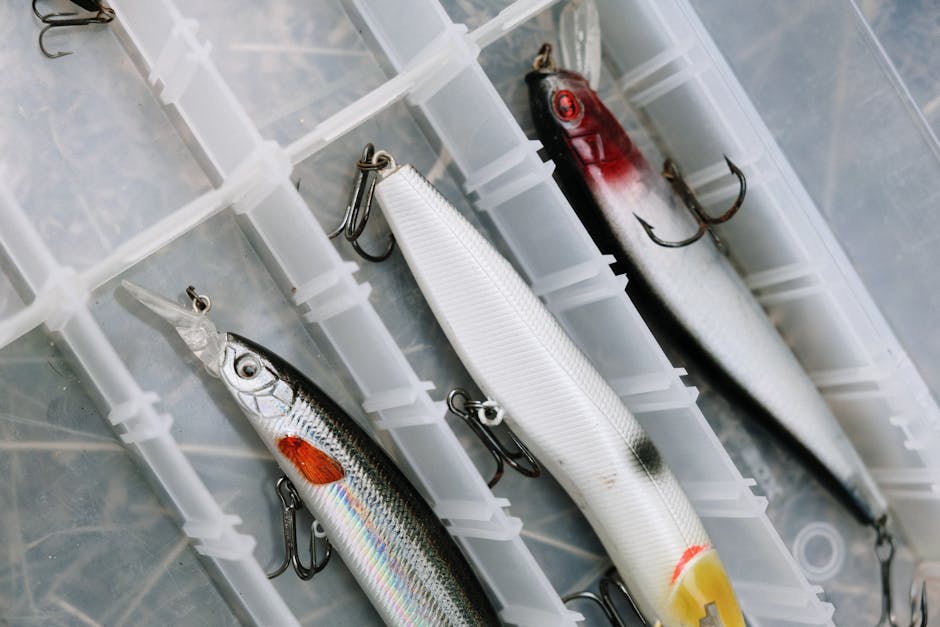
Here are some of our go-to options:
- Ned Rigs: These finesse presentations are incredibly effective, especially when fish are finicky or in clear water. Their subtle action can entice strikes from even the most lethargic bass.
- Goby Imitators: Given the prevalence of invasive gobies in Lake Michigan, lures that mimic these bottom-dwelling fish are absolutely deadly for smallmouth bass. Soft plastics in natural goby colors are a must-have.
- Topwater Lures: Especially during the spring spawn, topwater lures like poppers, walking baits, and prop baits can trigger explosive strikes from territorial smallmouth. There’s nothing quite like watching a bass blow up on a topwater lure!
- Swimbaits: Small swimbaits, both soft and hard, are excellent for covering water and mimicking baitfish. We can cast them into more open harbor areas or retrieve them along structure.
- Drop-shots: Another finesse technique, drop-shotting allows us to present a soft plastic bait directly in the strike zone, especially useful when bass are suspended or holding tight to vertical structure.
- Small Plastics: Creature baits, tubes, and small worms rigged on jig heads or Texas-rigged are versatile and effective for both largemouth and smallmouth, particularly when targeting specific cover.
- Crankbaits: Shallow-diving and medium-diving crankbaits work well along riprap, seawalls, and over submerged structure. Look for ones in natural baitfish patterns or vibrant colors.
- Colors: While natural colors are always a good starting point, don’t shy away from vibrant options. Chartreuse and firetiger can be particularly effective in stained or low-light conditions, or when bass are aggressive.
For our gear, we’ve found success with setups like Abu Garcia Veritas TE rods paired with Abu Garcia reels, spooled with Berkley x9 braid and a 10-foot leader of 8- or 10-pound fluorocarbon. This combination offers sensitivity, casting distance, and the strength needed to pull bass away from structure.
Techniques for Harbor Structures
Fishing in Chicago’s harbors means fishing around a lot of man-made structure. Boats, docks, piers, seawalls, and breakwalls all provide cover and ambush points for bass.
- Finesse Fishing: Often, the clear water and fishing pressure in urban harbors call for a finesse approach. Light lines, small baits, and subtle presentations will often outperform heavy, aggressive tactics.
- Casting Along Breakwalls and Seawalls: These long, rocky structures are prime bass habitat. We cast parallel to the wall, letting our lures fall into the crevices and along the base where bass often lurk.
- Targeting Support Beams and Walls: Harbors are full of vertical structure. Docks, bridge pilings, and seawall corners are excellent spots. Bass will hold tight to these, waiting for unsuspecting prey. Pitching or flipping small plastics and jigs into these tight spots can be very effective.
- Fishing Pockets and Corners: Look for areas with less boat activity, sheltered pockets, and corners where currents might create eddies. These are often overlooked and can hold good numbers of bass.
- Kayak Fishing: The Chicago River, in particular, offers a unique kayak fishing experience. Floating under skyscrapers and around bridges and piers provides access to areas that are difficult to reach from shore. When kayaking, we stick to finesse fishing with small plastics for accuracy, especially given the presence of large river cruise ships and water taxis. The kayaking itself is a blast, but pulling in some city bass makes it even better!
- Shore Fishing vs. Boat Fishing: While having a boat gives us more mobility, excellent bass fishing is absolutely possible from shore. Many of the techniques mentioned above are perfectly adaptable for shore anglers. We can fish from piers, breakwalls, and accessible sections of the Riverwalk. For more information on getting started with boating in Chicago, check out our More info about beginner boating in Chicago.
So, Can You Bass Fish the Harbors in Chicago? Your Map to the Hotspots
The answer is a resounding yes. Chicago’s 10 harbors, operated by the Chicago Park District, stretch along 14 miles of Lake Michigan shoreline, offering countless fishing opportunities. The shoreline and harbors are great places to start your bass adventure.
Top Harbors for Bass Fishing
While we can find bass throughout the Chicago Harbor System, some spots consistently stand out for their productivity and accessibility.
- Montrose Harbor: Located on the north side, Montrose Harbor is a fantastic year-round spot. While known for salmon and trout, it also offers excellent opportunities for smallmouth and rock bass, especially along its piers and breakwalls. During the colder months, it can even freeze thick enough for ice fishing!
- Burnham Harbor: Situated on Northerly Island, Burnham Harbor is a popular choice due to its large size and proximity to Museum Campus. Small currents here can concentrate baitfish and, consequently, bass. We find success by trolling or dropshotting/jigging from shore, particularly around structures.
- Monroe Harbor: Right in the heart of downtown, Monroe Harbor is known for producing “huge bass” and offers the incredible backdrop of the city skyline. It’s a prime location for both large bass and salmon. The breakwalls here are particularly productive for smallmouth. You can find more details about fishing this iconic spot in our More info about Monroe Harbor.
- DuSable Harbor: Located near Navy Pier and the Chicago River mouth, DuSable Harbor provides convenient access to both the lake and river systems. Its deeper waters and proximity to major attractions make it a strategic spot for various species, including bass.
- Jackson Park Harbors (Inner & Outer): Further south, these harbors offer a more tranquil fishing experience with quick access to Lake Michigan. They are a great, affordable option for fishing charters and are known for strong local demand, indicating a healthy fishery that includes bass.
Beyond these top picks, other harbors like Belmont Harbor and Diversey Harbor also hold bass. Belmont’s calmer waters are great for relaxed fishing, while Diversey’s narrow basin is excellent for smaller boats. Learn more about all of Chicago’s harbors in our comprehensive guide: More info about Chicago Harbors.
Best Shore Fishing Access Points for Bass
You don’t need a boat to enjoy fantastic bass fishing in Chicago. Our city offers incredible shore access, putting us right in the action with stunning urban views.
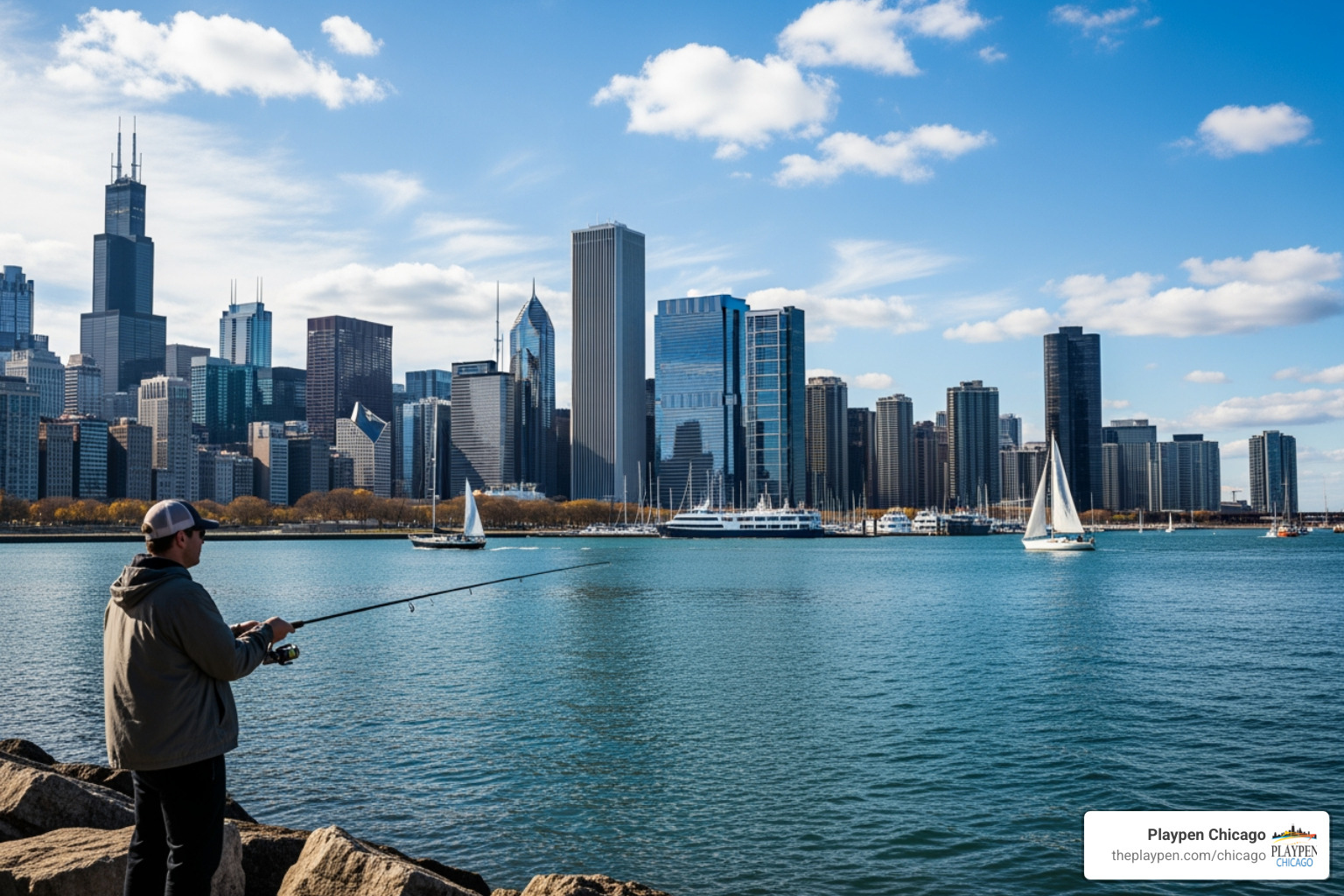
- Piers and Breakwalls: The outer edges of all Chicago harbors are lined with piers and massive rock breakwalls. These are magnets for smallmouth bass, which relate to the rocky structure and deeper water access. We look for points, turns, and areas where current creates an eddy. The northern breakwall of Chicago Harbor, affectionately known as “Woo’s Wall” (named after angler Woo Daves who won the 2000 BASS Master Classic fishing these urban waters), is a legendary smallmouth spot.
- Chicago Riverwalk: The Riverwalk provides miles of public access along the main stem of the Chicago River. From here, we can target largemouth and smallmouth bass, along with bluegill, channel catfish, and perch. We cast around bridge pilings, seawalls, and any submerged structure we can find. The unique experience of fishing with skyscrapers towering overhead is unparalleled.
- Museum Campus & Shedd Aquarium Drop-off: The areas around Museum Campus, particularly the drop-off near the Shedd Aquarium, are known for holding smallmouth bass. The combination of deep water access and rocky structure provides excellent habitat. Imagine catching a smallmouth with Buckingham Fountain to your back – it’s a truly iconic Chicago fishing experience.
- Harbor Support Beams and Walls: Within the harbors themselves, the support beams for docks and the inner walls along the shoreline create perfect ambush points for bass. We look for these pockets and corners where there isn’t as much boat activity.
Public access is a cornerstone of Chicago’s fishing scene. The Chicago Park District offers many accessible fishing areas, making it easy for us to cast a line.
Rules of the Water: Licensing, Regulations, and Urban Etiquette
Fishing in a metropolis like Chicago requires following specific guidelines. To ensure a safe, legal, and enjoyable experience for everyone, be aware of the necessary licenses, regulations, and urban etiquette.
Getting Legal: Licenses and Permits
Before we even think about casting a line, getting our legal ducks in a row is essential.
- Illinois Fishing License: An Illinois fishing license is required for fishing all waters in Illinois for anyone 16 years of age or older. We can easily purchase these online or at various local bait and tackle shops. The costs vary based on age and residency (e.g., resident sport fishing ages 16-64 is $15.00, seniors are less, and those under 16 fish free). You can get your Illinois fishing license online here: Get your Illinois fishing license online here.
- Lake Michigan Salmon Stamp: If our bass fishing adventure happens to lead us to target salmon or trout in Lake Michigan (which is entirely possible in the harbors), a Lake Michigan Salmon Stamp is also required. This costs $6.50.
- Parking Passes: For drivers, the Chicago Park District offers Fishing Parking Passes for Burnham and DuSable Harbors. These $20 passes are valid for 60 days and allow parking from 6 AM to 11 PM, though event restrictions may apply. A valid Illinois Fishing License and Driver’s License are required for purchase.
- Pier Passes: To extend your fishing season, Fishing Pier Passes are available. Valid from November 15 to March 31, these $10 passes grant access to designated piers in Montrose, Belmont, Diversey, DuSable, Burnham, and Jackson Park Inner Harbors, offering a great way to access cold-water species.
- Boating Licenses: If we’re taking a boat out into the harbors or Lake Michigan, we should also be aware of Illinois boating regulations, including potential age requirements for operating vessels and the need for a boating safety certificate for certain individuals. You can find more information about the More info about the Illinois boating license.
Navigating the Urban Jungle: Challenges and Considerations
Fishing in Chicago’s harbors is a unique experience, blending the tranquility of angling with the vibrancy of city life. This comes with its own set of challenges and considerations we need to keep in mind.
- Boat Traffic: Our harbors are busy hubs, especially during the boating season (May 1 – October 31). Areas like The Playpen are particularly known for heavy recreational boat traffic. Water taxis, tour boats, and private vessels are constantly moving. To mitigate this, we often fish early mornings, late evenings, or on weekdays when traffic is lighter. Fishing during bad-weather days (when it’s safe) can also reduce competition from other boaters.
- Water Clarity: While invasive mussels have helped clear Lake Michigan’s waters, urban runoff and combined sewer overflows can still impact water clarity, especially after heavy rains. This can affect lure choices and bass behavior. We often adjust our presentations, opting for more vibrant colors or noisy lures in stained water, and more natural, subtle presentations in clearer conditions.
- Man-made Structure: As mentioned, the harbors are full of man-made structures—docks, pilings, seawalls, breakwalls. These are fantastic for bass, but they also present snag hazards. We use appropriate tackle and techniques to minimize snags and avoid leaving lures behind.
- Catch and Release: Given the urban environment and the potential for contaminants (though efforts continue to improve water quality), we strongly advocate for catch-and-release, especially for bass caught in the harbors and the Chicago River. This helps preserve the fishery for future generations and ensures the health of the fish.
- Aquatic Invasive Species (AIS): We all play a role in preventing the spread of AIS. We make sure to dispose of unwanted live bait in the trash, drain water from livewells and bilges before leaving an access point, and inspect our boats, motors, and trailers for any aquatic plants or animals.
- Boater Etiquette & Safety: Whether we’re fishing from shore or a boat, being mindful of other water users is crucial. We maintain a safe distance from boats, especially those docking or maneuvering, and always adhere to boating safety rules. For comprehensive information, we always check out our guide to More info about boat safety.
Frequently Asked Questions about Bass Fishing in Chicago Harbors
We often get asked specific questions about bass fishing in Chicago’s unique urban environment. Here are some of the most common ones we hear:
What is the best lure for bass in Chicago harbors?
While bass can be finicky, we’ve found that Ned rigs and goby-imitating soft plastics are incredibly consistent producers for smallmouth bass in the harbors, especially in clearer water. For largemouth in more structured areas, small plastics like creature baits or worms, and shallow-diving crankbaits work wonders. Don’t forget topwater lures during the spring spawn for explosive strikes! The “best” lure can vary seasonally and based on water conditions, so we always bring a variety and experiment.
Can you eat the bass you catch in Chicago harbors?
While catching bass in Chicago’s harbors is a thrilling experience, we generally recommend catch-and-release for all bass caught in these urban waters. The Illinois Department of Natural Resources (IDNR) issues fish consumption advisories for various waterways due to potential contaminants. For example, while the Chicago River’s fishery has vastly improved, it’s generally advised not to eat fish from certain urban lagoons like Lincoln Park Lagoon due to existing pollution. Practicing catch-and-release not only ensures our safety but also helps preserve and strengthen the bass fishery for everyone to enjoy in the future.
Do I need a boat to bass fish the harbors in Chicago?
Absolutely not! One of the greatest advantages of bass fishing the harbors in chicago is the incredible accessibility from shore. We can successfully fish from various piers, breakwalls, and accessible sections of the lakefront and Chicago Riverwalk. Many of the techniques and lures we’ve discussed are perfectly suited for shore anglers. While a boat offers more mobility to explore different spots, it’s certainly not a prerequisite for a fantastic bass fishing experience in our city.
Conclusion: Your Next Trophy Bass Awaits
Chicago’s harbors offer a truly unique and rewarding bass fishing experience, blending the thrill of the catch with the beauty of one of the world’s greatest cities. With the right knowledge and a little bit of luck, you can land a trophy bass right in the heart of downtown. From the feisty smallmouth battling on the breakwalls to the lurking largemouth in the protected corners, the opportunities are abundant and exciting.
Our city’s commitment to improving water quality and fostering a healthy ecosystem means that the bass populations continue to thrive, offering us an exceptional urban angling adventure. Whether you’re a seasoned angler or just starting out, the accessibility and excitement of bass fishing the harbors in chicago are unparalleled.
Ready to Explore the Water?
We invite you to experience this unique urban fishing firsthand. The vibrant boating community in Chicago, easily findable through platforms like Playpen Chicago, makes these on-water and in-city experiences even more exciting. Playpen Chicago is the leading social-lifestyle platform and content hub built around our city’s boating culture and waterfront experiences. We connect boat owners, charter operators, event promoters, and social enthusiasts, helping you find and join exclusive yacht outings, private boat parties, and curated pop-ups both on Lake Michigan and throughout the city.
Whether you’re looking to charter a boat for a guided fishing trip or simply want to connect with fellow anglers and explore the city’s vibrant waterfront scene, Playpen Chicago is your gateway. We’re here to help you make the most of Chicago’s incredible aquatic playground.
Discovering Chicago’s Harbors for the ultimate experience and start on your next great fishing adventure with us!