
Best Trip planning, how-to guides & packing lists 2026
Why Smart Trip Planning & Packing Makes All the Difference

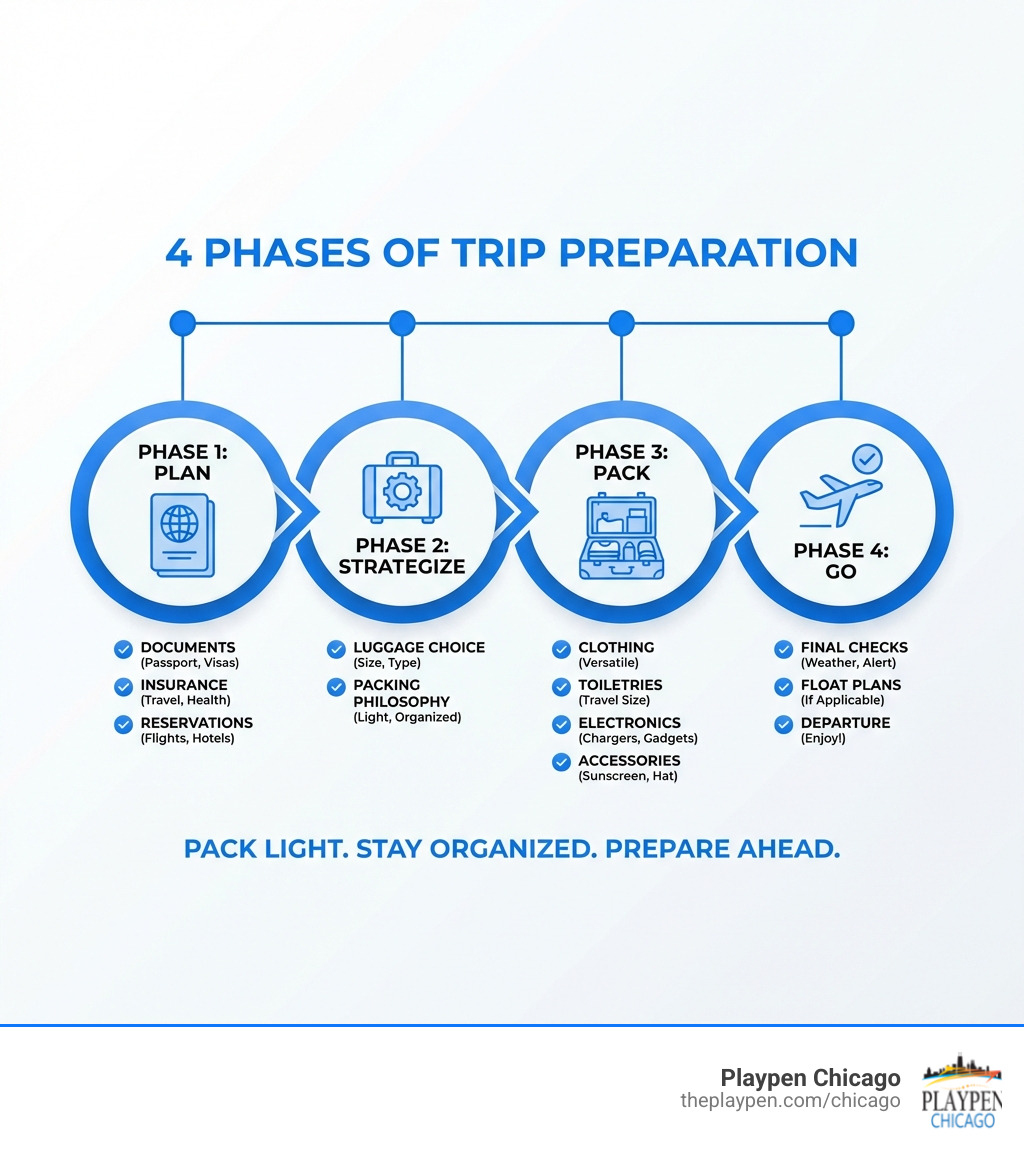
Trip planning, how-to guides & packing lists help you transform pre-departure chaos into organized, stress-free travel. Here’s what you need to know:
Essential Steps for Effective Trip Planning:
- Plan – Check passport validity, arrange travel insurance, book accommodations
- Strategize – Choose the right luggage, create a packing philosophy, organize by category
- Pack – Use neutral colors, pack multi-use items, follow TSA guidelines
- Go – Leave a float plan (for water trips), confirm reservations, close out your checklist
The difference between a smooth trip and a stressful one often comes down to preparation. As one experienced traveler put it: “To remember key pre-departure to-dos, I created a vacation prep checklist to use and reuse before leaving for any travel.” A checklist lets you accept autopilot mode instead of last-minute panic.
Whether you’re planning an international adventure, a weekend getaway, or a luxury yacht outing on Lake Michigan, the same principles apply. Pack light. Stay organized. Prepare ahead.
This guide covers everything from passport checks to packing cubes, from choosing the right luggage to navigating airport security. You’ll learn how to pack for any trip length, any destination, and any weather condition.
I’m Heidi Auvenshine, Partnership and Marketing Director for Playpen Chicago, and I’ve helped countless guests prepare for premium on-the-water experiences through effective trip planning, how-to guides & packing lists. Through years of coordinating yacht charters and waterfront events, I’ve seen how proper preparation lifts every journey.
The Foundation: Essential Pre-Departure Planning
Before the excitement of a new adventure fully takes hold, a little groundwork goes a long way. This section covers the crucial administrative and logistical tasks to complete before you even think about packing. Think of it as laying the perfect foundation for a worry-free journey.
Administrative Checklist: Documents & Deadlines
The cornerstone of any great trip begins with your paperwork. Overlooking these details can lead to significant headaches, from missed flights to denied entry.
First and foremost, let’s talk passports. For international travel, many countries require your passport to be valid for at least six months beyond your planned date of arrival. We’ve seen travelers caught off guard by this “6-month rule,” so check that expiration date well in advance! If you need to renew, allow plenty of time – up to six weeks is a good buffer, especially during peak travel seasons.
Next, research visa requirements for your destination. These can change, even for familiar places, so always verify. A great resource for checking entry requirements worldwide is the IATA Travel Centre.
If you plan to drive at your destination, check your driver’s license expiration date. Many countries don’t accept a standard U.S. driver’s license, meaning you might need an International Driving Permit (IDP). Research this ahead of time to avoid any rental car woes.
Beyond the originals, we always recommend making multiple copies of your essential travel documents – passport, visa, driver’s license, and travel insurance details. Keep a digital set (photos on your phone, cloud storage) and a physical set separate from the originals. This way, if your main documents are lost or stolen, you have backups to help with replacements.
For U.S. citizens starting on international trips, enrolling in a safety program like the Smart Traveler Enrollment Program (STEP) is a smart move. It allows the U.S. embassy or consulate to send you important alerts about your destination and helps them reach you or your emergency contact in a crisis. For general travel safety information, we also recommend checking the US Bureau of Consular Affairs for up-to-the-minute issues that might affect your plans.
Finally, remember to check airline carry-on restrictions. The Transportation Security Administration’s website provides an up-to-date list of what you can bring on the plane and what must be checked. Knowing these rules beforehand saves time and stress at the airport.
Financial & Health Preparations
Once your documents are sorted, it’s time to secure your finances and health. These are critical layers of protection for any trip.
Travel insurance is a vital part of trip planning. It offers protection against unforeseen events like trip interruption, baggage delay, or cancellation. Imagine missing a connecting flight due to an airline delay – travel insurance can be a lifesaver.
Equally important is understanding your health insurance coverage abroad. Your home country health insurance, including Medicare and Medicaid, typically does not cover care outside national borders. We strongly recommend considering travel medical insurance, especially for emergencies and medical evacuation. If you have any pre-existing conditions, it’s crucial to declare them when purchasing a policy to ensure they are covered.
Before you travel, a quick visit to your doctor and dentist is advisable. Address any potential issues preemptively, and ensure you have all necessary immunizations. Specialist travel health clinics can provide advice on vaccinations and any specific health precautions for your destination. If you take prescription medications, bring enough for your trip and carry them in their original containers with a copy of the prescription. Also, be aware that some medications legal at home might not be legal abroad, so check your destination’s travel health information.
To save money and reduce pre-trip expenses, consider prebooking services like airport parking and ordering foreign currency in advance. Often, you can get better exchange rates this way. For eligible travelers, discount and membership cards can open up significant savings. For example, the International Student Identity Card or International Youth Travel Card offer discounts worldwide, and a Hostelling International membership can save you money on accommodation.
Home & Safety Arrangements
Even while you’re away, life at home continues. A few simple arrangements can prevent worries from creeping into your vacation.
Always alert your bank and credit card companies about your travel dates. While many card issuers no longer require it, a quick call can prevent your cards from being flagged for suspicious activity and frozen. Also, note down their international emergency phone numbers (not the 1-800 numbers) in case you need to call collect from abroad.
If you have pets, rescheduling their lessons or arranging for a pet sitter with all their “special stuff” should be on your checklist. Similarly, if you’re going to be away for a while, consider asking a neighbor to collect your mail, cancel newspaper deliveries, or arrange for a house sitter. Prepaying bills can also prevent late fees and stress.
Lastly, stay informed about safety issues in your destination. Follow news from official government travel advisories. For U.S. citizens, the US Bureau of Consular Affairs is an excellent resource for destination-specific safety and travel alerts. This proactive step helps you make informed decisions and stay safe.
Mastering Your Luggage: The Ultimate Packing Strategy
Now that the administrative heavy lifting is done, let’s dive into the fun (or sometimes frustrating!) part: packing. This section will help you develop a smart strategy, from choosing the right bag to organizing it like a pro.
Choosing Your Luggage
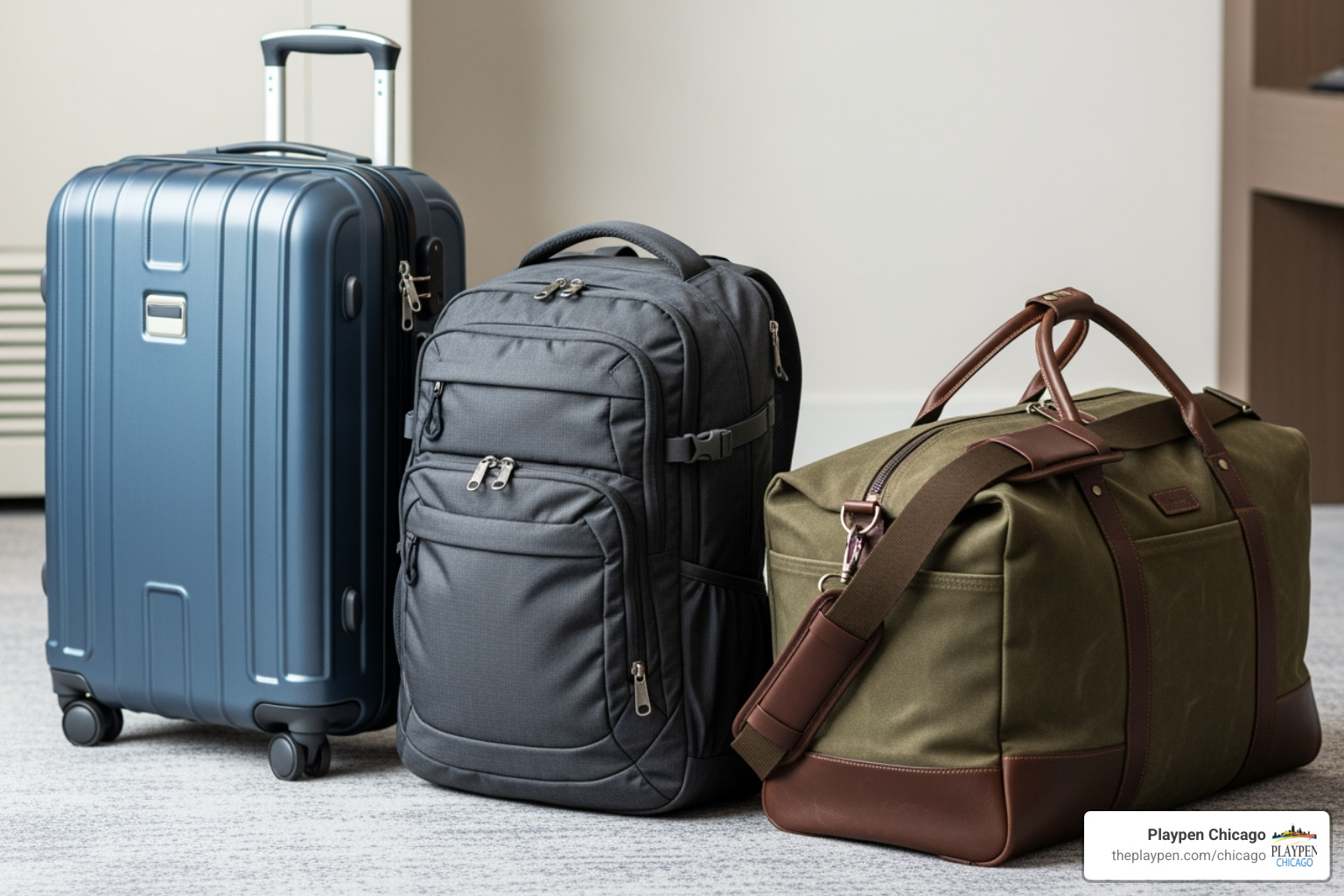
The first big decision in your trip planning, how-to guides & packing lists journey is selecting the right luggage. This choice often dictates how much you bring and how easily you move. Considerations should include your travel style, destination, and the amount of items you plan to bring.
- Carry-on vs. Checked Bag: This is a primary step. Deciding to only take a carry-on significantly influences the quantity of clothing you need. While it offers convenience and reduces the risk of lost luggage (especially with layovers), it means stricter limits. Checking a bag, on the other hand, provides more space but increases the likelihood of it going missing, particularly during multi-connection flights.
- Rolling Suitcase: A classic choice, great for smooth surfaces like airports and city streets. They’re easy to maneuver and protect contents well. However, they can be cumbersome on cobblestones or rough terrain.
- Backpack: Ideal for rough terrain, climbing stairs, or when you need your hands free. Backpacks distribute weight evenly and are perfect for adventure travelers or those moving between multiple accommodations. Many even include detachable daypacks for daily excursions.
- Duffle Bag: Often used for road trips or when you need flexible storage. They’re typically soft-sided and can be squashed into tight spaces.
- Messenger Bag, Daypack, or Purse: These smaller bags are essential for keeping travel documents, electronics, and daily necessities close at hand, offering both safety and convenience. A minimalist wallet, for instance, can hold bills and cards securely in a front pocket.
Your choice depends on your journey. For a luxury yacht outing on Lake Michigan, a duffle bag or a smaller rolling suitcase might be perfect, while a backpacking trip through Europe would favor a sturdy travel backpack.
The Philosophy of Packing Light
We firmly believe that less is more when it comes to travel. The primary secret to traveling light is adhering to a personal packing list that includes only essential items. This becomes your contract with yourself, ensuring you only pack what you truly need.
Our philosophy for packing light boils down to three rules:
- Carry less stuff: Ruthlessly eliminate items not essential to your enjoyment or comfort. Do you really need that third pair of heels? Probably not!
- Reduce weight, not usefulness: When faced with multiple useful options, select the lighter or better-designed one. Opt for items with multiple uses to reduce complexity and bulk.
- Optimize for comfort and design: Choose items that are comfortable and look good. The goal isn’t just minimalism, but optimal, efficient packing.
The power of multi-use items cannot be overstated. Consider wraps that double as an airplane blanket, a beach cover-up, or a scarf for a cool evening. Crushable hats protect you from the sun and retain their shape. Investing in fabrics like merino wool layers offers self-cooling and heating properties, resists odor, and dries quickly. Similarly, quick-drying activewear and wrinkle-resistant shirts save space and laundry time.
Planning to do laundry regularly during your trip can significantly reduce the number of clothing items needed. With the right gear, such as a travel laundry kit, you might find that three pairs of underwear are sufficient for many trips, allowing you to wash as you go.
Organization Hacks: Cubes, Compression, and Folding Techniques
Once you’ve chosen your items, how you pack them makes all the difference. This is where organization hacks become your best friends.
Packing cubes and compression sacks are incredibly helpful for organization, especially when traveling to multiple destinations in one trip. They compartmentalize your belongings, making it easy to find what you need without rummaging through your entire bag. Compression sacks take this a step further by squeezing out air, dramatically reducing the volume of bulky items like sweaters or jackets.
The debate between rolling versus folding clothes is a personal preference, with both methods having their proponents.
| Method | Pros | Cons | Best For |
|---|---|---|---|
| Rolling | – Saves space, especially for soft, casual clothing | – Can wrinkle delicate fabrics | – T-shirts, jeans, casual pants, underwear, socks |
| – Reduces creases in casual items | – Items may be harder to find quickly | ||
| Folding | – Keeps formal clothes neat and wrinkle-free | – Can create bulky stacks | – Dress shirts, blazers, delicate garments |
| – Easier to see and access specific items in a stack | – May not maximize space as efficiently as rolling for some items |
We find that a combination of both often works best: roll casual wear, fold more formal or delicate pieces, and use cubes to keep categories separate.
The Ultimate Packing List: Your Comprehensive trip planning, how-to guides & packing lists
This is where we bring it all together. A comprehensive trip planning, how-to guides & packing lists is your blueprint for success, ensuring you don’t forget essentials and are prepared for anything.
The Versatile Wardrobe: Clothing & Footwear
Our golden rule for clothing is versatility. Packing layering clothes in neutral colors improves their utility, allowing you to mix and match items for different outfits and occasions. This is especially beneficial when space is limited.
The layering principle is key for adapting to varying temperatures. A base layer, a mid-layer, and an outer shell can keep you comfortable in a wide range of climates.
When considering how many outfits to pack, the length of your trip is paramount:
- Shorter Trips (3-5 days): We recommend one pair of underwear and socks per day, one pair of pajamas, one to two dressier outfits, one to two activewear or athleisure outfits, one to two casual outfits, and one to two pairs of shoes.
- Longer Trips (over a week): For extended journeys, consider one pair of underwear and socks per day, two pairs of pajamas, three dressier outfits, three to four casual outfits, and two pairs of shoes, plus two activewear or athleisure outfits. The ability to do laundry during a vacation can significantly reduce these numbers.
Invest in clothing that offers multi-use functionality. We love items like multi-use wraps, crushable hats, and fabrics like merino wool layers which are self-cooling, self-heating, and odor-resistant. Quick-drying activewear is fantastic for active trips or doing laundry on the go. Wrinkle-resistant shirts and compressible jackets are also game-changers.
For footwear, comfortable walking shoes with good traction are essential. Brands like Mephisto, Ecco, and Rieker offer styles that are dressier than sneakers but still provide excellent comfort. For warmer destinations, sandals are a must, and for wet or cold weather, waterproof shoes are invaluable. Always break in new shoes before your trip to avoid blisters!
When packing for hot weather, prioritize lightweight, light-colored clothing made from breathable fabrics. For cold weather, focus on warm insulated jackets or vests, long underwear (silk or quick-drying synthetic), gloves, and warm hats.
Essential Toiletries & First-Aid Kit
A minimalist approach to toiletries keeps your bag light and organized. We recommend building a kit with only the essentials: toothbrush, toothpaste, deodorant, sunscreen, and any personal care items you can’t live without. Look for travel-sized versions or transfer products into smaller reusable containers. For carry-on bags, always remember the TSA 3-1-1 liquids rule: containers must be 3.4 ounces (100 milliliters) or less, all fitting in one quart-sized clear plastic zip-top bag, with one bag per passenger. Consider solid alternatives for liquids like shampoo bars or solid deodorant to save space and avoid leaks.
A minimalist first-aid kit is also crucial, especially for unexpected scrapes or sniffles. Pack items you know how to use, such as pain relievers, allergy medication, antiseptic wipes, and a few bandages. If you have prescription medications, keep them in their original containers with legible labels and a copy of your prescription.
Tech & Electronics for the Modern Traveler
Technology plays a huge role in travel. Your smartphone is a powerful multi-tool, serving as your camera, alarm clock, flashlight, GPS, and communication device.
To keep all your gadgets powered, a portable charger or power bank is indispensable, especially during long days of sightseeing or flights. For international travel, don’t forget international plug adapters. These allow you to fit your North American plugs into foreign outlets. Research the types of sockets used in your destination to ensure you have the correct adapters. A universal travel adapter is a great investment.
Noise-canceling headphones can be a lifesaver on noisy flights or trains, offering a peaceful escape. If you’re bringing a separate camera, pack extra batteries and memory cards so you don’t miss any moments.
Here are some essential travel apps we recommend to improve your experience:
- Navigation: Google Maps (use google.com/ncr to avoid automatic redirection to local homepages when traveling internationally), Citymapper
- Translation: Google Translate, iTranslate
- Booking: Airline apps, hotel booking apps, ride-sharing apps (Uber, Lyft)
- Communication: WhatsApp, FaceTime
- Local exploration: Yelp (for U.S. restaurants), TripAdvisor (better internationally)
Must-Have Accessories & Miscellaneous Items
Beyond clothes and tech, a few key accessories and miscellaneous items can significantly improve your travel convenience and safety.
For travel safety, consider a money belt, neck wallet, or hidden pocket to keep valuables secure and out of sight from pickpockets. There’s even pickpocket-proof clothing and gear available now! A tiny lock can secure backpack zippers, though if checking bags, use a TSA-approved lock to avoid it being broken during inspection.
Convenience items include a collapsible tote bag for groceries, souvenirs, or dirty laundry. A reusable water bottle is eco-friendly and keeps you hydrated (just remember to empty it before airport security). A quick-drying travel towel and a washcloth are surprisingly useful.
For comfort, a sleep mask and good earplugs are underrated items for getting rest on planes or in noisy accommodations. An inflatable pillow/neck rest can make long journeys much more bearable.
Don’t forget miscellaneous essentials like a journal (Moleskine is a favorite among travel writers) to capture memories, a compact small day pack for daily excursions, and basic laundry supplies like a mesh bag for dirty clothes, travel detergent, Shout wipes for stains, and a travel clothesline. A small umbrella is always a good idea, as is a compact pair of small binoculars for sightseeing. If you plan to enjoy some local food outdoors, consider picnic supplies like Fozzils dishware that folds flat. And a good old-fashioned guidebook can still be invaluable!
Specialized Packing: Adapting Your List for Any Adventure
Effective trip planning, how-to guides & packing lists means adapting to your specific adventure. What you bring for a relaxing beach getaway is vastly different from what you’d pack for an active hiking trip or a sophisticated city break.
How-to guides & packing lists for Specific Trip Types
- Beach Vacations: These call for specific items like water shoes, plenty of sunscreen and SPF-rated lip balm, towels, and perhaps snorkel gear if you plan to explore underwater. Quick-drying swimwear and light cover-ups are also essential.
- Active & Adventure Trips: For hiking, camping, or other active pursuits, robust gear is a must. Think sturdy hiking boots, quick-drying clothing, a comfortable day pack, and plenty of snacks. For backcountry adventures, we always recommend packing “The Ten Essentials” (navigation, headlamp, sun protection, first-aid, knife, fire starter, shelter, extra food, extra water, extra clothes).
- City Breaks: Comfort is key here, as you’ll likely be doing a lot of walking. Comfortable, broken-in walking shoes are paramount. Versatile, stylish outfits that can transition from day sightseeing to evening dining are ideal. A lightweight day pack or messenger bag for your essentials is also useful.
- Cruises: Cruising often means a mix of activities. In addition to regular clothing, you’ll need non-standard items like seasickness remedies, formal wear for special dinners, dress shoes, and multiple bathing suits for pool days.
- A Day on the Water in Chicago: For those looking to enjoy the beautiful waters of Lake Michigan, perhaps with Playpen Chicago, your packing list takes on a unique flavor. Beyond your swimsuit and towel, consider sun protection like wide-brimmed hats and sunglasses. Water shoes are great for comfort and safety on deck. Essential safety equipment, like PFDs (personal flotation devices) and a sound-producing device, will be provided on any reputable charter or rental. However, if you’re bringing your own boat, always ensure you have all U.S. Coast Guard required safety items. Don’t forget snacks, drinks, and a waterproof bag for your phone and valuables. For a truly unforgettable experience, check out our Ultimate Guide to a Luxury Yacht Outing at Playpen Chicago: What to Bring, Wear, and How to Stay Safe While Having Fun. We also have guides on Beginner Boating Guide Chicago, Anchoring Rules at the Playpen, and how to stay informed with the Lake Michigan Boating Forecast. And remember, for any water trip, always leave a float plan with someone on shore!
Navigating Airports & International Travel
Successfully navigating airport security and customs is a crucial part of international trip planning.
Understanding TSA guidelines is paramount for a smooth airport experience. Their official website, What Can I Bring?, is an invaluable resource for checking specific items.
When packing liquids, remember the 3-1-1 rule for carry-on baggage (3.4 ounces or less per container, fitting in one quart-sized bag, one bag per passenger). For electronics, place large items like laptops and tablets in a separate bin for X-ray screening, ideally on the top layer of your carry-on for easy access. Firearms are only allowed in checked baggage, must be unloaded and in a locked, hard-sided container, and must be declared to your airline. Fireworks are strictly prohibited in both carry-on and checked baggage.
For international travel, knowing the different types of international plug sockets is essential. There are numerous types (A, B, C, D, E, F, G, I, J, K, L, M, O), and you’ll need the correct adapters to charge your devices. A universal travel adapter is often the easiest solution.
Finally, always review customs regulations for your destination. Some countries have strict rules about what can be brought in, including food items, medications, or even certain types of clothing or electronics. Being informed prevents unnecessary delays or fines upon arrival.
Frequently Asked Questions about Trip Planning & Packing
How many outfits should I pack for a 7-day trip?
For a 7-day trip, we recommend focusing on 3-4 core outfits using versatile, layerable pieces in neutral colors that can be mixed and matched. This allows for different looks without overpacking. If you have access to laundry facilities during your trip, you can pack even lighter by planning to do laundry once.
Is it better to roll or fold clothes for packing?
The choice between rolling and folding often depends on the type of clothing and your luggage. Rolling is generally better for preventing hard creases in casual clothing like t-shirts, jeans, and activewear, and it can save space. Folding is often preferred for more formal items such as blazers or dress shirts to maintain their shape and minimize wrinkles. Many experienced travelers use a combination of both techniques.
What are the absolute must-have items for any carry-on?
For any carry-on, we consider these items absolute must-haves: any prescription medications you need, a change of underwear and a fresh shirt (in case your checked bag is delayed), essential toiletries in travel sizes, your passport and all other crucial travel documents, your phone, wallet, and keys, and any valuable or irreplaceable items like jewelry or important electronics. These ensure you can function comfortably even if your main luggage is temporarily out of reach.
Conclusion
Effective trip planning and packing are not just chores; they are skills that transform travel from stressful to seamless. By following these guides, you can approach your journeys with confidence, knowing you’ve considered every detail from administrative tasks to the smallest accessory. A well-packed bag is the first step to any great adventure, whether you’re flying across the world or enjoying a luxury yacht outing in Chicago with Playpen Chicago.
We hope these trip planning, how-to guides & packing lists help you start on your next adventure feeling prepared and excited. Happy travels! For the ultimate Chicago adventure, discover what to bring for a day on the water with our complete guide.