
B2B, sponsorships & hospitality partnerships: Win in 2025
Why B2B, Sponsorships & Hospitality Partnerships Are Reshaping Business Growth
B2b, sponsorships & hospitality partnerships represent a powerful shift in how companies connect with their audiences and drive measurable business outcomes. Instead of traditional advertising, brands are investing in experiences that create lasting impressions and genuine connections.
What you need to know about B2B sponsorships and hospitality partnerships:
- Strategic Intent: Create positive brand perceptions more effectively than traditional marketing.
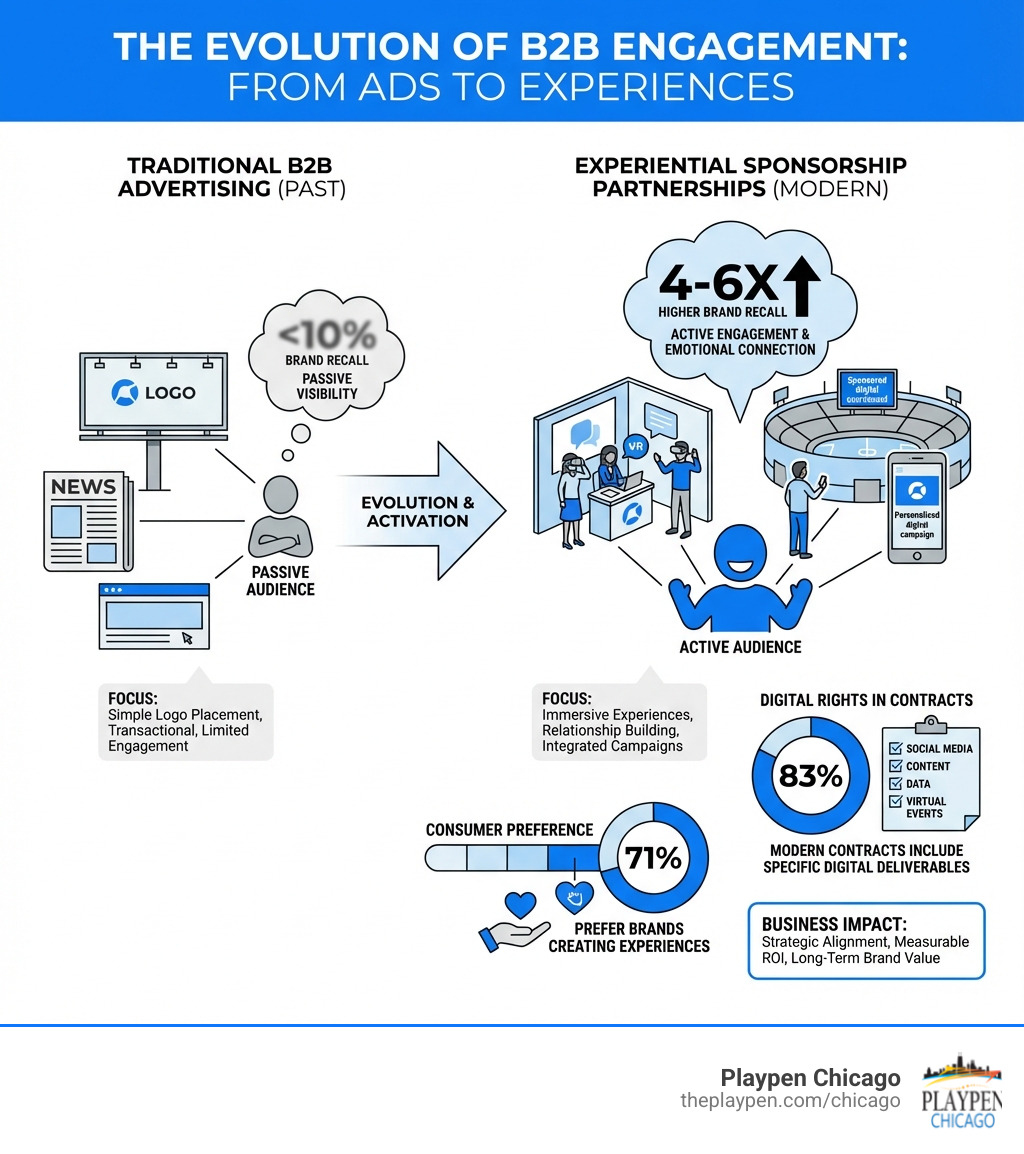
- Measurable ROI: Generate 4-6 times more brand recall than traditional ads when activated properly.
- Experience Economy: 71% of consumers prefer brands that create experiences over traditional advertising.
- Financial Impact: Global sponsorship spending reached $75.4 billion in 2022 as B2B brands increasingly recognize the value.
- Digital Integration: 83% of modern sponsorship contracts include specific digital deliverables.
The hospitality and travel sector is projected to exceed $700 billion within three years, fueled by a shift in consumer mindset. Over half (57%) of high-net-worth travelers now prefer spending money on experiences rather than products, creating unprecedented opportunities for B2B brands to differentiate themselves through strategic partnerships.
Modern sponsorship functions as a sophisticated marketing channel where companies align with properties—whether sports teams, cultural events, or luxury experiences—to access established audiences and leverage built-in credibility. For B2B brands specifically, these partnerships excel at improving consideration, usage, and loyalty further down the marketing funnel.
The challenge? The market has evolved. Simple logo placements no longer cut it. Today’s successful sponsors invest $1.50-$2.00 in activation for every $1.00 spent on rights fees, creating immersive experiences that blend physical and digital touchpoints.
The Strategic Value of B2B Sponsorships
We often hear about big-name consumer brands splashing out on sponsorships, but what about the B2B world? For too long, there’s been a misconception that sponsorships are primarily a B2C playground. However, B2B brands are increasingly finding the immense strategic value in these partnerships, especially when targeting discerning audiences in vibrant markets like Chicago. Our city’s unique blend of business, culture, and a thriving Lake Michigan boating community offers unparalleled opportunities for strategic alliances.
The Primary Benefits for B2B Brands
For B2B brands, sponsorships are far more than just putting your logo on a banner. They’re about deep engagement, brand building, and cultivating lasting relationships. Here are the primary benefits we consistently see:
- Increased Brand Awareness and Recall: B2B companies benefit from targeted awareness among decision-makers. Properly activated sponsorships generate 4-6 times more brand recall than traditional advertising, making an association with an exclusive yacht event on Lake Michigan truly memorable.
- Positive Brand Association: Aligning with prestigious events or luxury hospitality in Chicago allows your B2B brand to inherit attributes like innovation and quality. Mastercard’s partnership with the UEFA Champions League, for instance, boosted its brand consideration, demonstrating the power of such associations.
- Access to Niche and High-Value Audiences: This is where b2b, sponsorships & hospitality partnerships truly shine. Instead of casting a wide net, we can pinpoint specific demographics, like high-net-worth individuals or business leaders. Platforms like Playpen® Chicago offer direct access to a community of boat owners, charter operators, and social enthusiasts eager for premium experiences. This targeted reach is invaluable for B2B lead generation.
- Content Generation: Every great sponsorship is a story waiting to be told. These collaborations provide a wealth of compelling content for your marketing and PR teams, fueling social media campaigns, blog posts, case studies, and more.
- Fostering Business Relationships: Sponsorships provide a natural, relaxed environment for networking. An exclusive hospitality suite or a private boat party on Lake Michigan allows for genuine conversations that build trust and rapport with potential clients and partners.
- Gaining Competitive Advantage: In a crowded market, a strategic sponsorship can set your B2B brand apart from competitors. It demonstrates innovation and a forward-thinking approach, positioning you as a leader in your field.
- Employee Engagement: Don’t underestimate the internal impact. Sponsoring a local event or a unique experience can create excitement and pride among your employees, fostering a stronger company culture and turning them into passionate brand advocates.
- New Market Entry and Product Showcasing: Launching a new service in Chicago? Sponsorship is a fantastic platform to quickly raise brand awareness and generate interest. A clever partnership can also showcase your product in a dynamic environment, like a catering service providing its offerings as an add-on to premium boat rentals.
Differentiating from Philanthropy
It’s crucial to distinguish b2b, sponsorships & hospitality partnerships from philanthropy. While philanthropy is driven by altruism, sponsorship is a strategic marketing investment with clear business objectives and contractual obligations. The goal is to achieve measurable outcomes and a return on investment (ROI) through marketing advantages like brand exposure and lead generation. In short, while philanthropy is about giving back, sponsorship is about strategic growth.
Crafting Your Winning Strategy for b2b, sponsorships & hospitality partnerships
Crafting a winning strategy for b2b, sponsorships & hospitality partnerships requires careful thought and a keen understanding of your target audience. It’s not about throwing money at the biggest event, but rather aligning with properties that resonate with your brand values and offer genuine connection points for your B2B clients in our unique Chicago market.
Effective Activation Strategies in the Hospitality Sector
The hospitality sector, particularly in a vibrant city like Chicago, provides a fertile ground for creative and impactful activation strategies. With 57% of high-net-worth travelers preferring experiences over products, we must go beyond mere logo placement and truly immerse our audience.
Here are some of our most effective activation strategies:
- VIP Experiences and Exclusive Access: Offer unforgettable experiences like VIP access to a Chicago architectural boat tour, a private box at a sports game, or a curated dinner. Platforms like Playpen® Chicago can facilitate invitations to luxury gatherings, such as fireworks cruises or yacht soirées on Lake Michigan, offering unparalleled access.
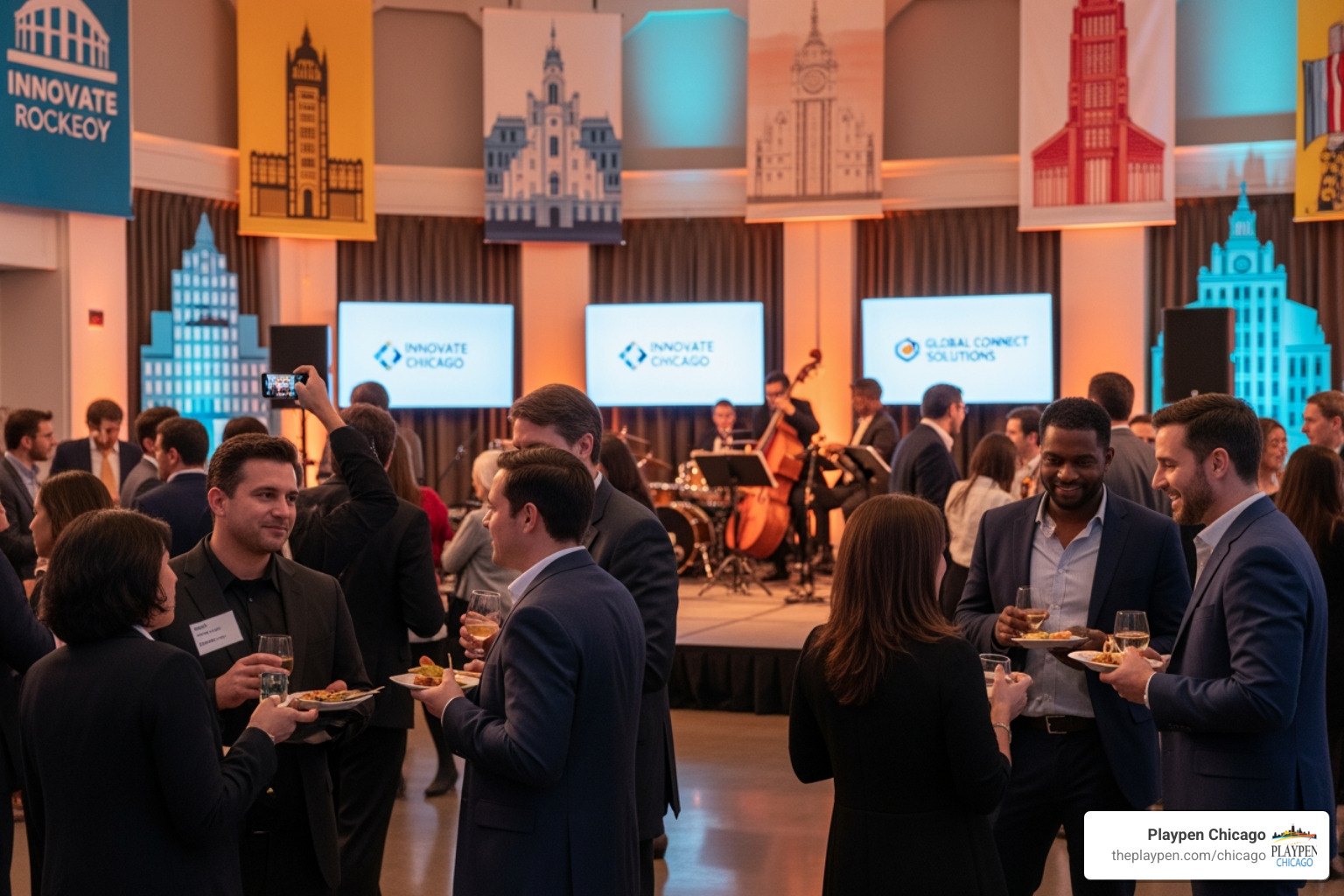
- Co-branded Events: Collaborate with a hospitality partner to host a unique event, such as a B2B networking reception at a luxury hotel or a product launch aboard a chartered yacht. These events allow both brands to leverage each other’s audience and credibility.
- Pop-ups and Themed Activations: Create buzz and direct engagement with pop-up experiences. Imagine a “tech lounge” at a high-end Chicago festival. Playpen® Chicago serves as an “event-launchpad for pop-ups and partner activations,” allowing businesses to reach a highly engaged community.
- Culinary and Wellness Integration: Tap into booming trends like culinary and wellness tourism. With high-net-worth consumers prioritizing unique food experiences and well-being, B2B brands can partner with top Chicago restaurants for bespoke dining or integrate wellness activities like a yoga session on a yacht. These integrations cater directly to consumer preferences for memorable experiences, a key driver in the luxury hospitality sector, according to GWI.
- Value-in-Kind Partnerships: Maximize impact without a large cash outlay through value-in-kind partnerships. For example, a photography service could capture an event, or a catering company could provide food as an add-on service to boat rentals through Playpen® Chicago, demonstrating their offerings to a captive, high-spend audience.
The goal is to create truly memorable experiences that resonate with your B2B audience, fostering goodwill and strengthening relationships long after the event concludes.
Building and Maintaining Long-Term Partner Relationships
A successful sponsorship isn’t a one-off transaction; it’s the beginning of a long-term relationship that requires nurturing, clear communication, and mutual respect.
Here’s how we build and maintain these crucial relationships:
- Set Clear, Mutual Goals: From the outset, define what each partner wants to achieve, whether it’s lead generation, brand awareness, or client retention. A strong partnership is reciprocal, with each party bringing unique value. Playpen® Chicago, for example, connects businesses to a niche, high-spend audience, creating a clear mutual benefit.
- Communicate and Deliver: Build trust through consistent, open communication and by delivering on all promises. Regular check-ins and feedback sessions are vital to ensure alignment and address challenges promptly.
- Foster a True Partnership: Move beyond a transactional relationship. Keep the partnership active year-round with co-created content or joint marketing. Treat sponsors as collaborators, involving them in the creative process to build powerful, long-lasting b2b, sponsorships & hospitality partnerships that drive sustained growth.
The Digital Revolution: Integrating Tech and Data into Partnerships
B2b, sponsorships & hospitality partnerships are no longer confined to physical spaces. The digital revolution has reshaped how we engage audiences, amplify messages, and measure impact. In fact, 83% of sponsorship contracts now include specific digital rights and deliverables, underscoring the critical role of digital integration.
The Rise of ‘Phygital’ and Data-Driven Experiences for b2b, sponsorships & hospitality partnerships
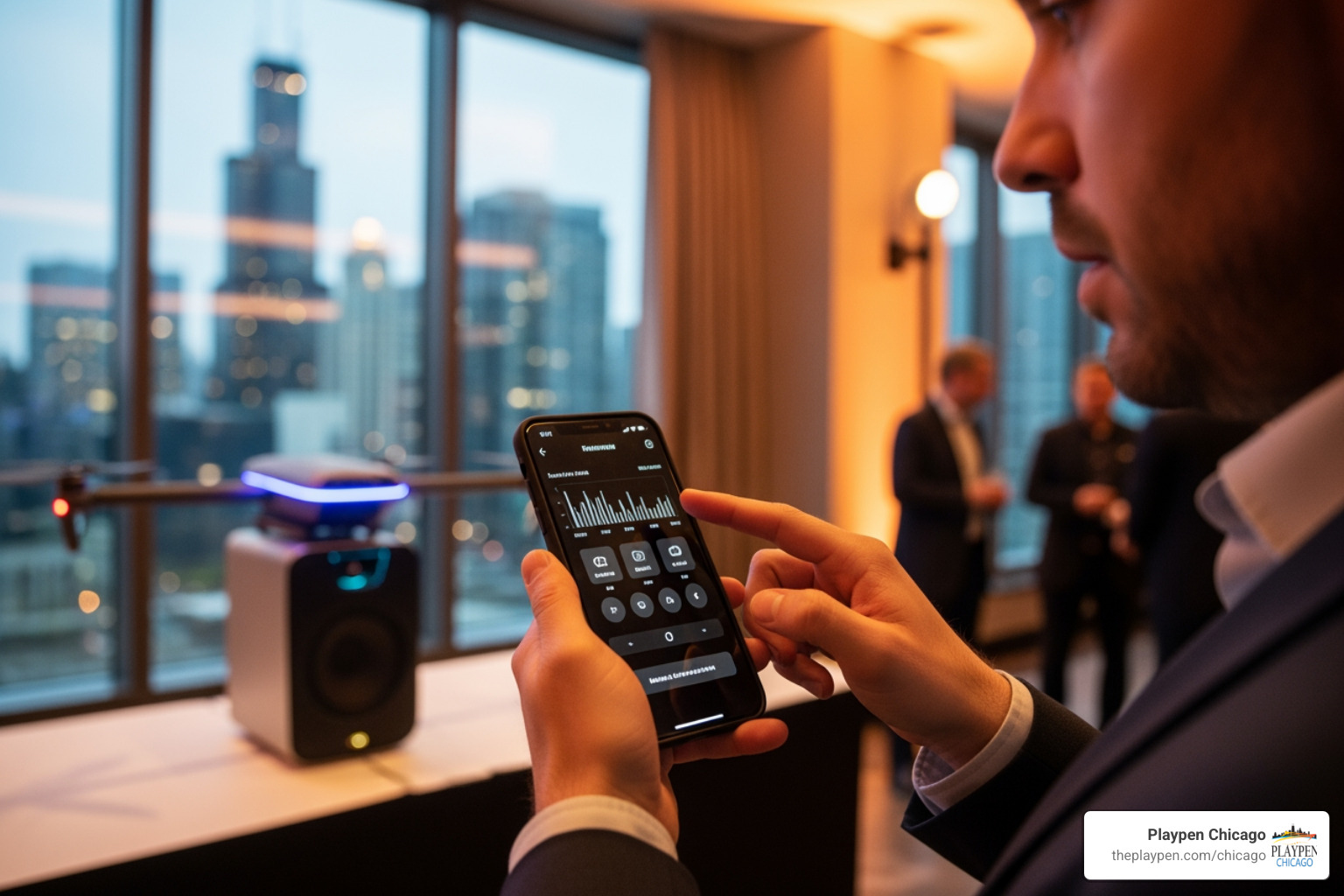
The term “phygital” captures the convergence of physical and digital experiences. It’s about blending both worlds to create immersive, interactive, and data-rich engagements—a game-changer for b2b, sponsorships & hospitality partnerships.
Imagine a B2B brand sponsoring a yacht party on Lake Michigan. Attendees could use an app (like Playpen® Chicago) to:
- Interact with Content: Scan QR codes to access exclusive content, partner offers, or augmented reality experiences.
- Use Smart Merchandise: Receive co-branded merchandise with NFC tags that link to digital content or connect them with a sales representative.
- Access Networking Tools: Use the Playpen® Chicago platform to connect with other attendees and schedule follow-up meetings.
- Enjoy Personalized Experiences: Data from these interactions can be used to personalize future communications and offers.
This blend creates opportunities for improved attendee engagement, data collection for personalization, and extended reach beyond the physical event. The concept of a phygital product is central, turning physical items into gateways for digital interaction and creating a powerful feedback loop for engagement and insights.
Leveraging Influencers and Celebrity Status
Influence is currency. Leveraging influencers and celebrities is a powerful strategy for b2b, sponsorships & hospitality partnerships. While often associated with B2C, their reach can significantly boost B2B brands, especially when targeting high-net-worth individuals.
Consider these insights:
- Celebrity Endorsements: Celebrities generate immense visibility. In the hotel industry, celebrity posts have 4x the visibility of general content creators. For a B2B brand in the luxury hospitality space, partnering with a well-known personality can instantly lift brand perception.
- Athlete Partnerships: Athletes are popular partners for the airline and hospitality sectors. With 33% of high-net-worth travelers following sports teams, partnering with a local Chicago athlete provides B2B brands access to a highly engaged and relevant audience.
- Niche Content Creators: Beyond celebrities, niche content creators and micro-influencers are highly effective. A Chicago-based lifestyle influencer could promote a B2B service from the Playpen® Chicago marketplace, like marine photography or luxury catering, to their dedicated audience of boat owners.
- Fandom Influence: The power of fandom is undeniable, with 27% of high-net-worth travelers spending money on travel due to fandom influence. B2B brands can harness this cultural connection to create emotional ties with their target audience.
Playpen® Chicago actively supports this trend, allowing users to “join affiliate and influencer programs to grow their audience,” demonstrating our understanding of this powerful marketing channel. For more information on how we facilitate these collaborations, explore our resources on More info about influencer collaboration.
By strategically integrating digital tools and leveraging influence, we can amplify our b2b, sponsorships & hospitality partnerships, reaching target audiences with unprecedented precision and impact. The digital field isn’t just an add-on; it’s an integral part of modern sponsorship success.
Measuring Success and Navigating the Modern Market
Just like navigating Lake Michigan, successful b2b, sponsorships & hospitality partnerships require a clear destination and reliable instruments to ensure we’re on course. Without robust measurement, even the most glamorous partnership can feel like a shot in the dark. How do we know if our investment is truly driving growth?
How to Measure the ROI of your b2b, sponsorships & hospitality partnerships
Measuring the Return on Investment (ROI) for sponsorships goes beyond simple impressions. It’s about connecting brand benefits to tangible financial advantages by tracking the right Key Performance Indicators (KPIs). For B2B, the ultimate measure is financial impact, translating improved brand attributes into bottom-line benefits like higher customer acquisition and retention. A comprehensive approach includes:
- Setting Clear Objectives: Begin by defining measurable goals, such as increasing brand consideration by a specific percentage or generating a target number of qualified leads.
- Tracking Key Metrics: Use specialized dashboards to monitor KPIs like brand recall, lead generation, website traffic, media value equivalency (MVE), and customer lifetime value (CLV).
- Investing in Activation: Successful sponsors typically invest $1.50-$2.00 in activation for every $1.00 spent on rights fees. This budget is crucial for creating memorable experiences and ensuring the sponsorship is a core part of your marketing strategy.
Emerging Opportunities and Challenges
The landscape of b2b, sponsorships & hospitality partnerships is constantly evolving, presenting both exciting opportunities and new challenges.
Opportunities on the Horizon:
- Growth in Women’s Sports: With sponsorship growing 20% faster than the overall sports market, this area offers a chance for B2B brands to connect with diverse, engaged audiences.
- The Wellness Economy: Valued at $5.6 trillion, the wellness economy is booming. With 63% of high-net-worth travelers being health-conscious, B2B brands can partner with hospitality providers on wellness experiences in Chicago.
- Niche Platforms and Hyper-Targeting: Platforms like Playpen® Chicago offer B2B brands direct access to a specific, high-spend audience, enabling hyper-targeted partnerships that are difficult to achieve through traditional channels.
- Sustainability in Sponsorships: Integrating sustainability into partnerships helps brands stand out. B2B companies can partner with eco-conscious events to showcase their commitment to responsible practices.
Navigating the Challenges:
- Economic Uncertainty: A cautious market sentiment means demonstrating clear, tangible ROI is more critical than ever to secure partnerships.
- Sponsorship Inventory Glut: A surplus of sponsorship inventory increases competition, requiring B2B brands to be more strategic and innovative to stand out.
- Evolving Expectations: Sponsors now expect deep involvement, measurable returns, and innovative experiences, not just logo placement. Staying ahead of these expectations is crucial for a successful sponsorship strategy.
Despite the challenges, reallocating resources from traditional advertising to well-executed b2b, sponsorships & hospitality partnerships promises significant rewards for those who steer these waters wisely.
Frequently Asked Questions about B2B Sponsorships
How much should I budget for sponsorship activation?
Successful sponsors typically invest $1.50-$2.00 in activation for every $1.00 spent on rights fees to maximize impact and ensure the partnership is fully leveraged beyond simple logo placement. This activation budget covers the costs of creating memorable experiences, digital amplification, and engaging your audience effectively.
What’s the main difference between a B2B and B2C sponsorship approach?
B2B sponsorships often focus on long-term brand building, lead generation, and relationship nurturing within a niche professional audience, aiming to improve consideration, usage, and loyalty. B2C sponsorships, on the other hand, frequently aim for mass brand awareness and immediate sales boosts among a broader consumer base. B2B often operates further down the brand funnel, impacting decision-makers’ perception and consideration.
How can a small B2B business get started with sponsorships?
Start by identifying local or niche events, communities, or cultural institutions in Chicago that align with your brand values and target audience. Consider value-in-kind sponsorships (offering products/services instead of cash) to build a portfolio and demonstrate ROI. For example, a local Chicago B2B service provider could offer their services as an add-on to boat rentals or events listed on Playpen® Chicago, gaining exposure to a high-value audience without a large cash outlay. Begin with clear, measurable objectives, even for smaller partnerships, to track your success and build a case for future investments.
Conclusion
As we’ve steerd the intricate waters of b2b, sponsorships & hospitality partnerships, it’s clear that the future of business growth lies in strategic, experiential, and measurable collaborations. The days of passive advertising are fading, replaced by a vibrant landscape where brands connect with their audiences through unforgettable experiences and genuine relationships.
Our key takeaways are simple yet profound:
- Experiences Reign Supreme: Consumers, especially high-net-worth individuals, prioritize experiences over products. This fundamental shift mandates a focus on creating meaningful engagements.
- Strategic Intent is Paramount: Sponsorships are not philanthropy; they are calculated investments designed to deliver measurable marketing advantages and drive specific business objectives.
- Digital Integration is Non-Negotiable: From ‘phygital’ activations to leveraging influencer marketing, technology amplifies reach, improves engagement, and provides invaluable data for personalization.
- Measurement is Your Compass: Robust KPIs and specialized dashboards are essential for tracking ROI, proving impact, and continually refining your strategy.
- Relationships are the Anchor: Building and nurturing long-term partnerships, treating sponsors as true collaborators, is the cornerstone of sustained success.
For B2B brands looking to make a splash in Chicago’s dynamic market, platforms like Playpen® Chicago offer a unique ecosystem to forge these powerful partnerships. We connect businesses with a high-spend audience eager for premium on-water and in-city experiences, providing an ideal environment for innovative sponsorships and hospitality activations.
Are you ready to lift your brand, cultivate lasting relationships, and steer towards unprecedented growth? We invite you to Join the premier social-lifestyle platform in Chicago and find how b2b, sponsorships & hospitality partnerships can redefine your success.